Maximizing Home Safety: Essential Aging-in-Place Modifications


Understanding the Importance of Aging-in-Place Modifications
As people age, their living environments may need to be adapted to ensure safety and comfort. Aging-in-place modifications are crucial for allowing older adults to stay in their homes longer, maintaining their independence while minimizing accident risks. Making thoughtful changes can create a secure living space that meets the evolving needs of aging homeowners.
Implementing these modifications not only enhances safety but can also improve the quality of life. By addressing common hazards and facilitating mobility, you can create a home environment that supports aging gracefully.
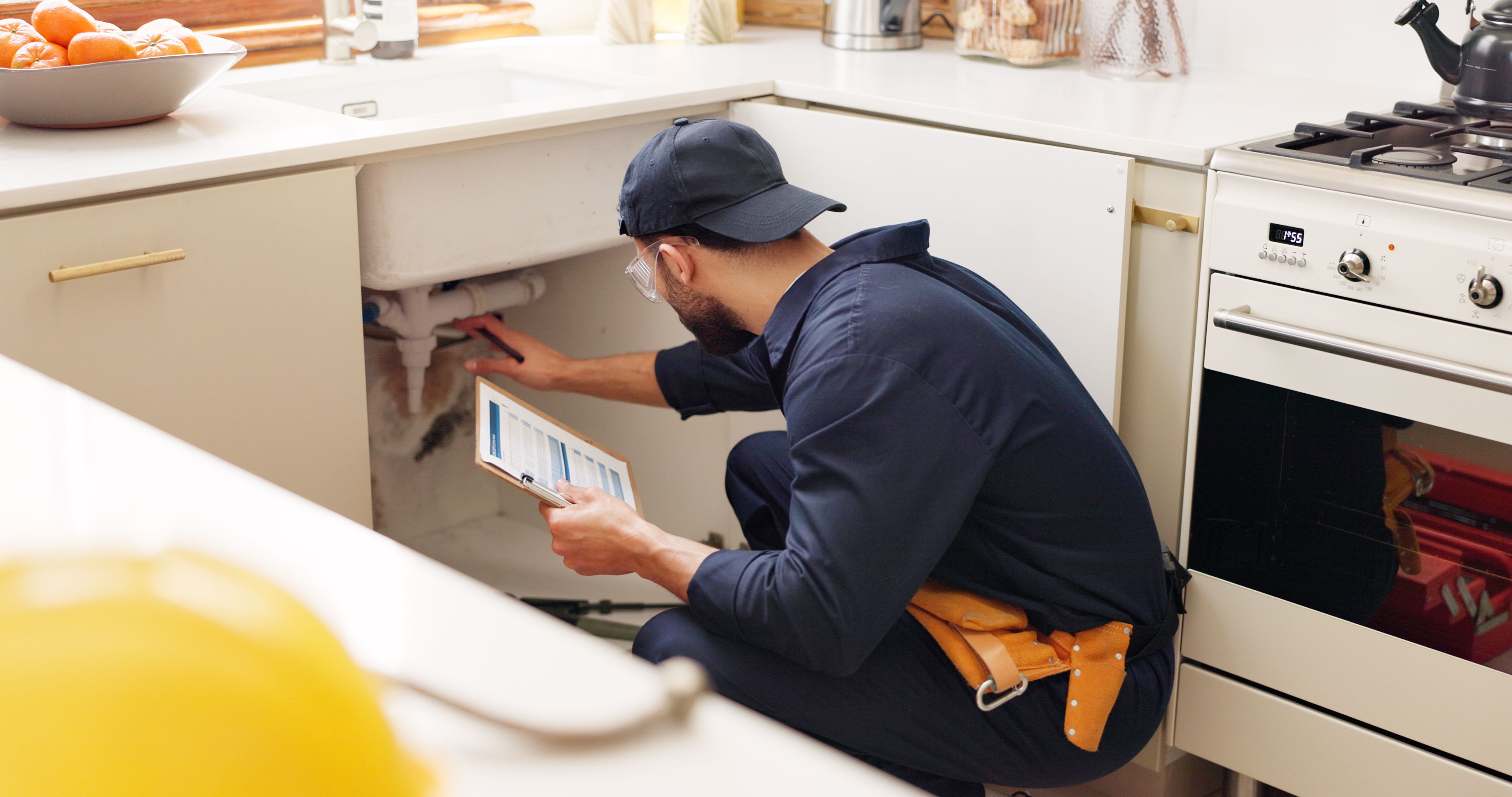
Enhancing Accessibility Throughout the Home
One of the primary considerations for aging-in-place is accessibility. Ensuring that all areas of the home are easily accessible can prevent falls and injuries. Here are some key modifications to consider:
- Widen Doorways: This allows for easier navigation, especially for wheelchair users.
- Install Ramps: Ramps can replace stairs or be added alongside them to provide an alternative route.
- Lever-style Handles: Replacing traditional doorknobs with lever-style handles can make doors easier to open.
Addressing these aspects will help in creating a more inclusive environment, accommodating both current and future needs.
Bathroom Safety Improvements
The bathroom is often the most hazardous room in the house for seniors. To enhance safety, consider the following modifications:
- Grab Bars: Install grab bars near toilets and in showers to provide support.
- Non-slip Flooring: Replace slippery tiles with non-slip flooring options.
- Walk-in Tubs or Showers: These eliminate the need to step over high edges, reducing fall risk.
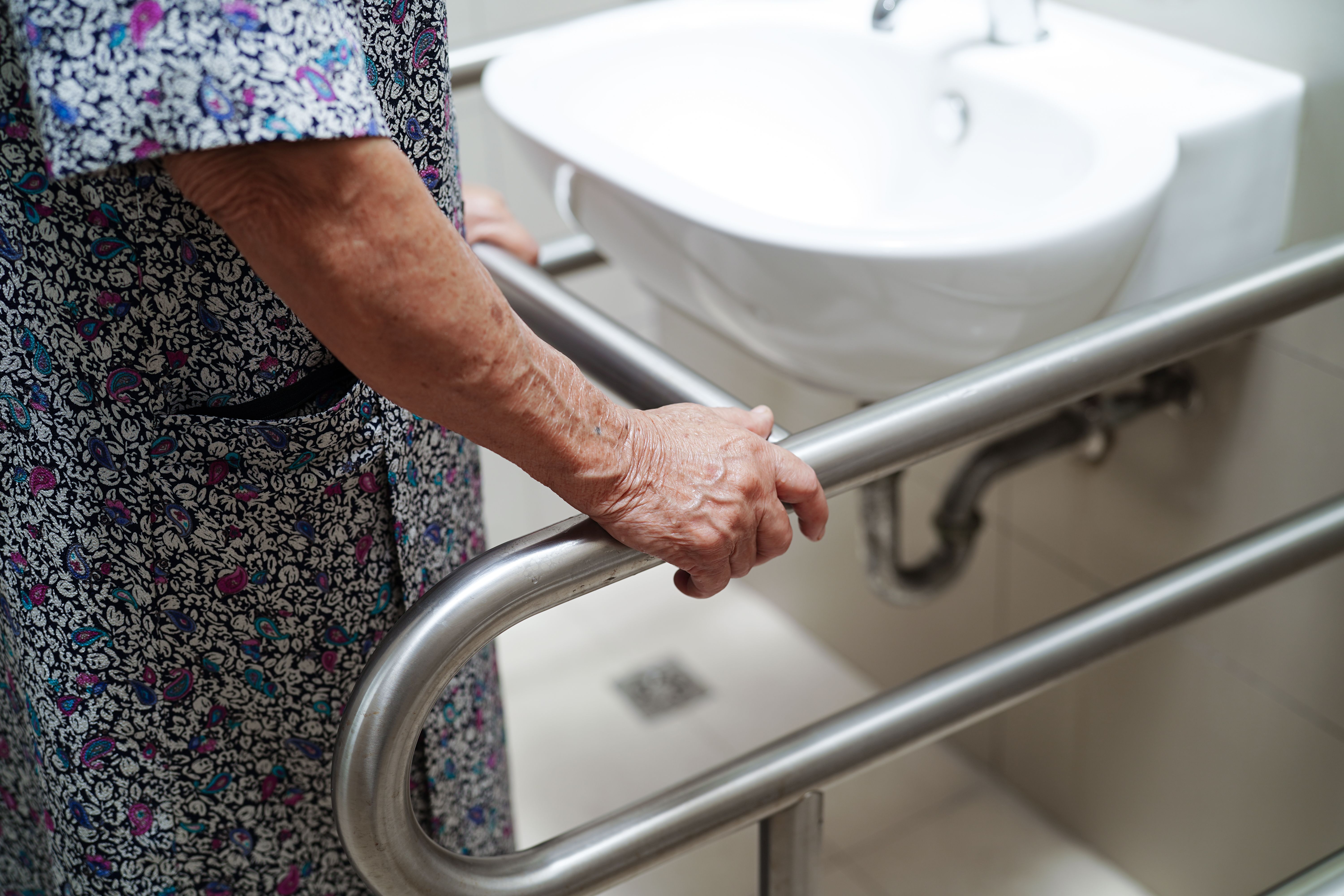
These changes are essential in preventing slips and ensuring that seniors can maintain their hygiene routines independently and safely.
Kitchen Adjustments for Better Usability
The kitchen is another area that benefits significantly from thoughtful modifications. To improve usability for seniors, consider:
- Lowered Countertops: Adjust counter heights to be accessible for all users.
- Pull-out Shelves: These allow easy access to items without excessive bending or reaching.
- Anti-scald Devices: Install these on faucets to prevent burns.
By making these adjustments, you can ensure that the kitchen remains a functional and enjoyable space for food preparation and dining.
Improving Lighting and Visibility
Adequate lighting is crucial in preventing accidents. As eyesight diminishes with age, increasing light levels can help maintain independence. Consider installing:
- Motion Sensor Lights: These automatically illuminate spaces when movement is detected.
- Task Lighting: Focused lighting on work areas to enhance visibility during tasks.
- Dimmers: Allowing control over light intensity can be highly beneficial for comfort and safety.

With improved lighting, seniors can navigate their homes more confidently and reduce the likelihood of accidents due to poor visibility.
The Role of Technology in Home Safety
The integration of technology in homes has brought about innovative solutions for aging-in-place. Smart home devices can greatly enhance safety and convenience. Consider implementing:
- Smart Thermostats: These allow for easy climate control, ensuring comfort without manual adjustments.
- Home Monitoring Systems: Provide peace of mind by alerting family members or emergency services if needed.
- Automated Lighting: Pre-programmed lighting schedules help maintain routines and improve security.
The use of technology can bridge the gap between independence and safety, offering practical solutions tailored to the needs of aging individuals.
The Benefits of Proactive Planning
Proactive planning for aging-in-place modifications is an investment in the future well-being of seniors. By addressing potential hazards before they become issues, homeowners can enjoy peace of mind and continue leading fulfilling lives within their own homes.
A comprehensive approach to home safety involves evaluating each area of the home and considering both current capabilities and future needs. With careful planning and implementation, aging-in-place can be a comfortable, safe, and dignified experience for all involved.